

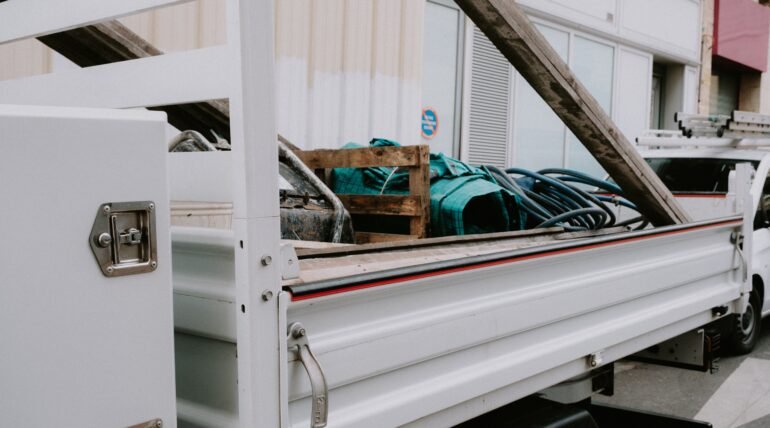
Starting a junk removal business can be an opportunity for entrepreneurs who want to provide a practical service to homeowners, landlords, property managers, and commercial businesses. From removing old furniture to handling garage cleanouts and hauling unwanted items, junk removal companies help customers clear space without managing the heavy lifting themselves.
But what do you need to start a junk removal business? You will need a business plan, suitable hauling equipment, insurance, an understanding of local regulations, reliable disposal options, and a strategy for finding customers.
Whether you plan to operate in Colorado, Wyoming, or another market, this guide explains the essential steps to get started.
What Do You Need to Start a Junk Removal Business?
Before accepting your first job, prepare the basic resources needed to operate safely and professionally. These commonly include:
- A business plan and defined service area
- Business registration and applicable licenses or permits
- A truck, trailer, or other suitable hauling vehicle
- Insurance appropriate for your operations
- Tools and personal protective equipment
- Access to approved disposal and recycling facilities
- A pricing structure that covers operating costs
- A website and local marketing strategy
Your exact requirements will depend on your location, the types of materials you collect, and the size of your operation.
1. Create a Junk Removal Business Plan
A clear business plan helps you understand your target customers, expected expenses, service offerings, and growth opportunities before investing in equipment.
Choose Your Target Market
Start by deciding who you want to serve. Potential customers include homeowners, landlords, property managers, real estate professionals, contractors, and businesses.
For example, homeowners may need help removing an old sofa or clearing a garage, while property managers may require apartment cleanouts between tenants. Commercial clients might need office furniture removed during a renovation or relocation.
Understanding your target market helps you choose the right services and develop more effective marketing.
Decide Which Services to Offer
You can begin with a few core services and expand as your business grows. Common junk removal services include:
- Furniture and appliance removal
- Garage, basement, and attic cleanouts
- Estate cleanout services
- Yard waste hauling
- Office and commercial cleanouts
- Construction debris removal, where permitted
- Property cleanouts for landlords and real estate professionals
Be specific about the items you accept. Hazardous materials and certain regulated waste streams may require specialized handling and should not be treated as ordinary junk.
Define Your Service Area
Choose a realistic starting area based on travel time, fuel expenses, disposal access, and customer demand. Expanding too quickly into distant communities can reduce profitability because transportation costs and time on the road increase.
For a business serving Colorado or Wyoming, research local demand and disposal options in each intended service area before expanding.
2. Register Your Business and Check Local Requirements
Business registration and legal compliance are essential parts of launching a junk removal company.
Choose a Business Structure
Depending on your circumstances, you might operate as a sole proprietor, form a limited liability company (LLC), or choose another legal structure. Each option has different administrative, tax, and liability considerations.
Consider speaking with a qualified accountant or business attorney before deciding which structure fits your needs.
Check Licenses and Permits
Do not assume that one business license covers every type of junk hauling. Requirements can vary by state, county, city, vehicle type, and material collected.
Before operating, check whether you need:
- Business registration or a local business license
- Waste-hauling or solid-waste permits
- Commercial vehicle registration or other transportation compliance
- Special authorization for particular materials
- Additional requirements for employees or commercial operations
If you plan to operate in Colorado or Wyoming, verify the requirements with the appropriate state and local authorities for each area you intend to serve.
Understand Waste Disposal Regulations
Some materials cannot be disposed of with ordinary household junk. Chemicals, fuels, certain batteries, asbestos-containing materials, and other regulated waste may require specialized handling or approved disposal facilities.
Check local rules before accepting unfamiliar materials. Having a clear list of accepted and prohibited items can help protect your business and customers.
3. Get the Right Truck and Equipment
Your vehicle is one of the most important resources in a junk removal business. The right choice depends on the size of the jobs you plan to accept, your budget, and local transportation requirements.
Choose a Suitable Hauling Vehicle
Possible options include:
- A pickup truck with an appropriate trailer
- A box truck
- A dump trailer
- A dump truck for larger operations
A pickup and trailer may be sufficient for some small jobs, while larger property cleanouts may require more capacity. Compare purchase, rental, financing, maintenance, fuel, and insurance costs before making a decision.
Never exceed the vehicle’s rated payload or towing capacity.
Purchase Essential Tools
Basic equipment may include moving blankets, hand trucks, dollies, straps, tarps, shovels, rakes, brooms, and other job-specific tools.
Personal protective equipment is also important. Depending on the job, workers may need durable gloves, safety glasses, protective footwear, high-visibility clothing, and appropriate respiratory protection.
Use safe lifting and loading procedures, and do not accept work that requires handling materials or conditions beyond your training and equipment.
4. Obtain Appropriate Business Insurance
Junk removal work involves vehicles, heavy items, loading, lifting, and potential property damage. Insurance can help protect your business against certain covered losses.
Depending on your operations, discuss the following with a qualified insurance professional:
- General liability insurance: May cover certain third-party bodily injury or property damage claims.
- Commercial auto insurance: Covers eligible risks associated with business vehicle use under the policy.
- Workers’ compensation: May be required if you employ workers, depending on applicable law.
- Equipment coverage: May help protect eligible tools and equipment against covered losses.
Review policy exclusions, coverage limits, and requirements carefully. Do not assume that a personal auto policy covers commercial hauling.
5. Find Disposal, Recycling, and Donation Options
A successful junk removal business needs a reliable process for handling everything it collects.
Research Local Disposal Facilities
Identify nearby landfills, transfer stations, recycling centers, and specialized disposal facilities. Confirm their accepted materials, operating hours, fees, weight limits, and unloading procedures.
Disposal costs can have a major impact on job profitability, so include them in your estimates.
Donate or Recycle Suitable Items
Some furniture, appliances, electronics, and household goods may be reusable or recyclable. Contact local organizations and facilities to confirm what they accept before promising customers that an item can be donated or recycled.
Separating suitable materials can reduce unnecessary disposal, although not every item will qualify for reuse.
Create a Clear Item Acceptance Policy
Explain which materials your company accepts and which require special handling. This policy should be available to customers before a collection is scheduled.
A clear acceptance policy helps prevent unexpected delays, disposal problems, and additional expenses.
6. Develop a Profitable Pricing Strategy
Your prices need to cover more than the time spent removing items. Every job may involve travel, labor, vehicle expenses, disposal fees, equipment use, and administrative costs.
Choose a Pricing Model
Common pricing approaches include:
- Volume-based pricing: Charge according to the amount of truck or trailer space used.
- Item-based pricing: Quote specific items or groups of items.
- Labor-based pricing: Use for certain cleanouts or jobs with unusual labor requirements.
- Minimum service charges: Establish a minimum fee that helps cover the cost of sending a crew and vehicle.
Choose a structure that customers can understand and that reflects your actual operating costs.
Calculate Your Costs Before Quoting
Account for fuel, labor, vehicle maintenance, disposal fees, insurance, marketing, and other overhead. Consider access issues, stairs, heavy objects, long carrying distances, and the time required to complete a job.
Request photos or arrange an assessment when necessary. Explain the scope and price before work begins, including any circumstances that could change the estimate.
Avoid setting prices solely by copying competitors. Their equipment, labor costs, service areas, and disposal arrangements may be different from yours.
7. Decide Whether to Hire Employees
Some entrepreneurs begin as owner-operators, while others launch with a small team. Starting alone can reduce initial payroll expenses, but the size and type of jobs you can safely complete may be limited.
If you hire workers, establish clear procedures for lifting, loading, securing cargo, handling customer property, and identifying restricted materials.
Also review applicable employment, payroll, training, and workers’ compensation requirements. The right staffing model should reflect customer demand and the jobs your business is equipped to perform.
8. Market Your Junk Removal Business Online
Even a well-equipped business needs a reliable way to generate leads. Local search visibility is particularly useful because customers often search online when they need unwanted items removed.
Build a Professional Website
Create a website that explains your services, service area, contact information, and quote process. Useful service pages may cover furniture removal, estate cleanouts, garage cleanouts, and commercial junk removal.
Publish helpful articles that answer customer questions, such as how to dispose of old furniture or what affects junk removal costs.
Optimize Your Google Business Profile
If eligible, create or optimize your Google Business Profile with accurate business information, relevant categories, service areas, hours, and genuine job photos.
Ask satisfied customers for honest reviews without offering incentives that violate platform policies. Respond professionally to feedback and keep your information updated.
For service-area businesses, follow Google’s guidelines and do not display an address where customers are not actually served at a staffed business location.
Build Local Relationships
Referrals can be valuable in the junk removal industry. Consider building relationships with real estate agents, landlords, property managers, contractors, and local businesses that regularly need cleanout services.
You can also test paid search advertising once you have a clear service offering and a way to measure which leads turn into profitable jobs.
9. Estimate Your Startup Costs
The cost of starting a junk removal business varies significantly. An entrepreneur who already owns a suitable vehicle may have different startup needs from someone purchasing a truck and hiring a crew.
Build a budget covering:
- Business registration and professional advice
- Vehicle purchase, rental, or financing
- Tools and safety equipment
- Insurance premiums
- Disposal and recycling fees
- Website development and marketing
- Initial fuel, maintenance, and operating cash
Keep a financial reserve for unexpected repairs, slow periods, and expenses that arise before customers pay their invoices.
Instead of buying every piece of equipment immediately, start with the resources needed for your planned services and expand as demand becomes clearer.
10. Common Mistakes to Avoid
New junk removal businesses can encounter problems when they overlook the real costs and operational requirements of hauling.
Avoid these common mistakes:
- Purchasing an expensive truck before assessing local demand
- Forgetting to include disposal fees and travel time in estimates
- Underpricing heavy or labor-intensive jobs
- Operating without appropriate insurance
- Accepting hazardous or prohibited materials without proper authorization
- Expanding into too many service areas too soon
- Neglecting local SEO and customer reviews
- Failing to confirm job details before arrival
A practical plan, accurate estimates, and consistent operating procedures can help reduce these risks.
How to Start a Junk Removal Business in Colorado or Wyoming
If you want to launch a junk removal business in Colorado or Wyoming, begin by selecting the communities you intend to serve. Research local registration requirements, waste-hauling rules, disposal facilities, and the costs of transporting materials in each area.
Next, identify your most promising services, calculate the costs of completing typical jobs, and establish a process for quoting, scheduling, collecting, and disposing of unwanted items.
Local marketing should reflect the communities you genuinely serve. Create relevant service pages, maintain accurate business information, and build relationships with property managers, real estate professionals, and contractors.
For anyone researching the junk removal industry, Alpine Junk Removal is an example of a service business focused on helping customers clear unwanted items and manage cleanouts across its service areas in Colorado and Wyoming. Understanding how these services operate can help aspiring entrepreneurs identify the equipment, processes, and customer-service standards the industry requires.
Frequently Asked Questions
How much money do you need to start a junk removal business?
There is no single startup figure that applies to every business. Your costs depend on whether you already own a suitable vehicle, the equipment you need, insurance requirements, staffing, disposal fees, and the area you serve. Prepare a budget based on your actual operating plan.
Can you start a junk removal business with a pickup truck?
Yes, a pickup truck with a suitable trailer may be enough for certain small jobs. Make sure the vehicle and trailer can safely handle the load and comply with applicable requirements. Larger cleanouts may require a higher-capacity vehicle.
Do you need a license to start a junk removal business?
You may need business registration, local licenses, hauling permits, or other approvals, depending on your jurisdiction and services. Check with the relevant state and local authorities before accepting jobs.
Is a junk removal business profitable?
Profitability depends on customer demand, job volume, pricing, labor, fuel, disposal costs, insurance, and other operating expenses. A business needs to track revenue and costs per job rather than relying on revenue alone.
How do junk removal businesses find customers?
Common channels include local SEO, Google Business Profile, referrals, customer reviews, partnerships, business directories, and paid advertising. The best mix depends on the service area, competition, and cost of acquiring customers.
What items should a junk removal business avoid collecting?
Some hazardous or regulated materials require specialized handling and disposal. Before accepting chemicals, fuels, asbestos-containing materials, certain batteries, or unfamiliar waste, verify the applicable rules and contact an authorized provider when necessary.
Final Thoughts
Starting a junk removal business requires more than a truck and a few tools. You need a clear business plan, appropriate registration and insurance, safe equipment, reliable disposal options, a realistic pricing strategy, and a way to reach local customers.
Start with a manageable service area, understand the requirements that apply to your operations, and track your costs from the beginning. As your experience and customer base grow, you can expand your equipment, services, and marketing efforts with greater confidence.
For entrepreneurs exploring this industry, studying established service businesses such as Alpine Junk Removal can provide useful context about the services customers need and the operational planning required to deliver them professionally.